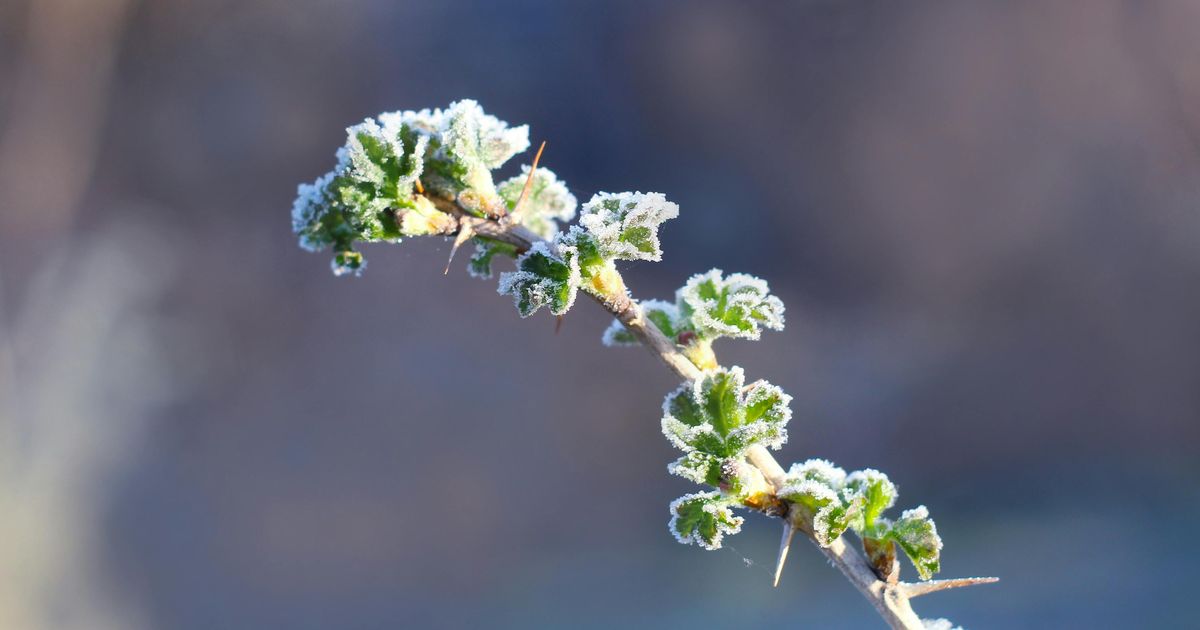
Midwest and Northeast Face Another Round of Frost Risk
• Wild spring temperature swings will continue across the Midwest and Northeast through mid-May, bringing another round of frosty mornings and cool afternoons.
• Waves of chilly Canadian air could trigger frost and freezes from the Great Lakes to the interior Northeast, threatening gardens and delaying planting season.
• While brief warmups will offer occasional springlike days, most areas will stay 10–15 degrees below average.
Why It's Important?
The recurring frost poses a significant threat to agriculture and horticulture in the affected regions. Gardeners may face losses of young plants, and farmers might need to postpone planting crops, potentially impacting yields and harvest times. The economic consequences could extend to local markets and food supplies. Moreover, these temperature fluctuations can affect energy consumption, as residents adjust heating systems to cope with the unexpected cold. This unseasonable weather pattern highlights the increasing variability in spring temperatures, underscoring the broader challenges of adapting to changing climate conditions.
Related News